Systems that talk to each other
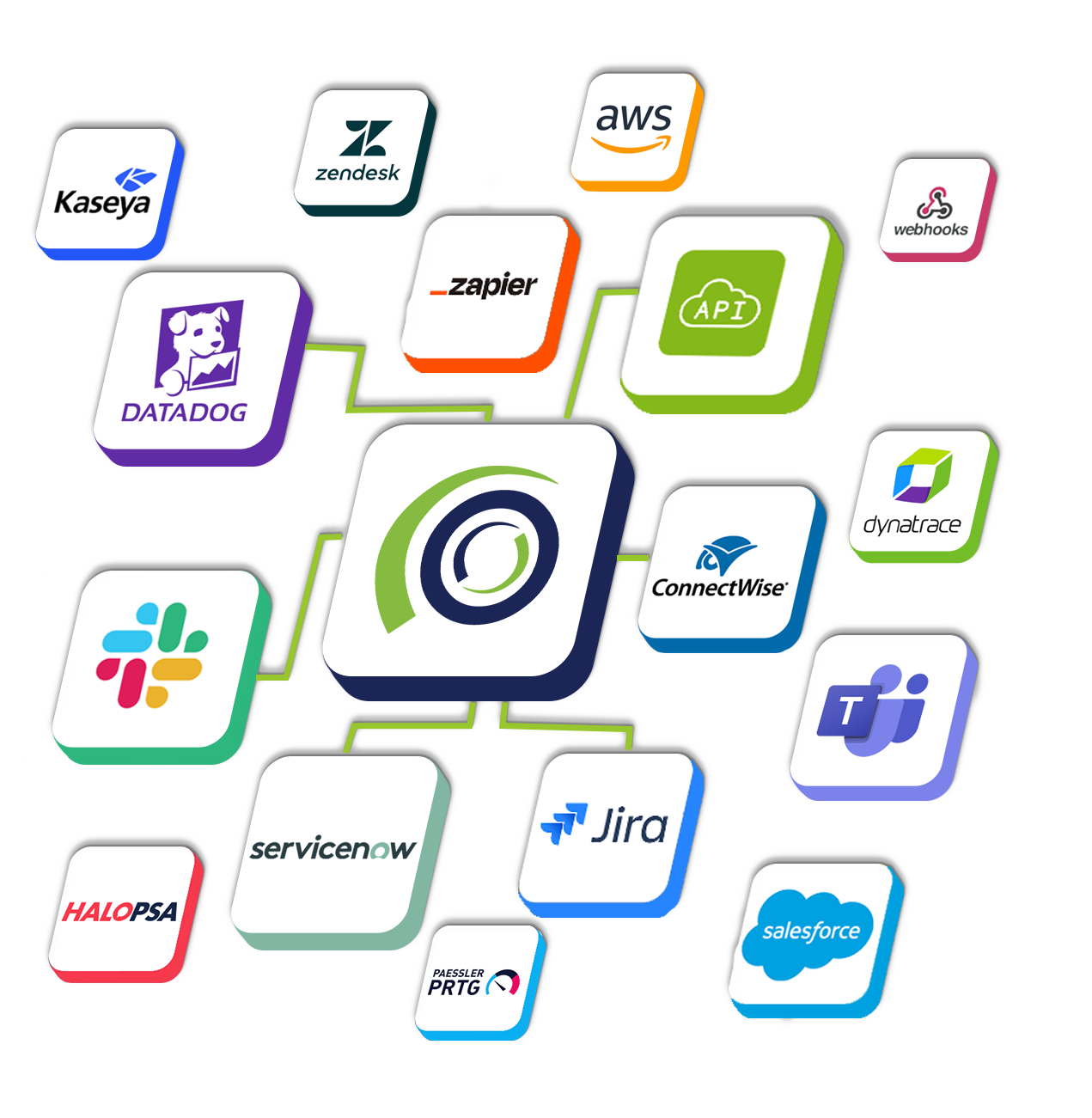
We connect the systems you run on so they share data on their own: orders, stock, customers, invoices and payments move between your website or store, point of sale, CRM, ERP and accounting. We map how data moves between them, build the links through each system's API or a ready-made connector, and set alerts if a sync stops.
Enter it once, see it everywhere
An order placed online should appear in stock, accounting and the delivery list on its own. Business systems integration links the tools a business runs on, from CRM integration to payment integration, so each record is typed once and shared, and the team stops copying between screens.

| Event | Where it goes |
|---|---|
| A website order is paid | Stock drops, an invoice is created in accounting, the courier is booked |
| A new enquiry arrives | It lands in the CRM with its source, and the sales team is alerted |
| A product changes at the till | The online store updates price and stock |
| An invoice is paid | The CRM record and the accounts both mark it paid |
How the links are built
- API integration where both systems offer one, for speed and reliability.
- Webhooks that push each event the moment it happens.
- Connector platforms such as Make, Zapier or n8n for common apps, built and documented.
- Alerts when a sync stops, so a person fixes it the same day.
- Makeconnectors
- Zapierconnectors
- n8nself-hosted workflows
- Shopifystore
- WhatsAppalerts
Repeating tasks beyond data sync continue through Workflow automation.
Included
- A map of your systems and the data they share
- Two-way sync of orders, stock, customers and invoices
- POS integration: Odoo, Shopify POS, Square and more
- CRM integration: HubSpot, Zoho, Salesforce and more
- ERP and accounting integration: Odoo, QuickBooks, Xero, Sage and more
- Website, store and app integration: WordPress, WooCommerce, Shopify and more
- Payments, email, chat and delivery services connected
- Alerts when a sync stops