Security that starts with the basics
We find the weak points, switch on two-step sign-in, secure your email domain, protect every device and back up what matters, then train you to spot fake emails, closing the doors most attacks use: a weak password, a fake email or a missed update.
Four habits that stop most attacks
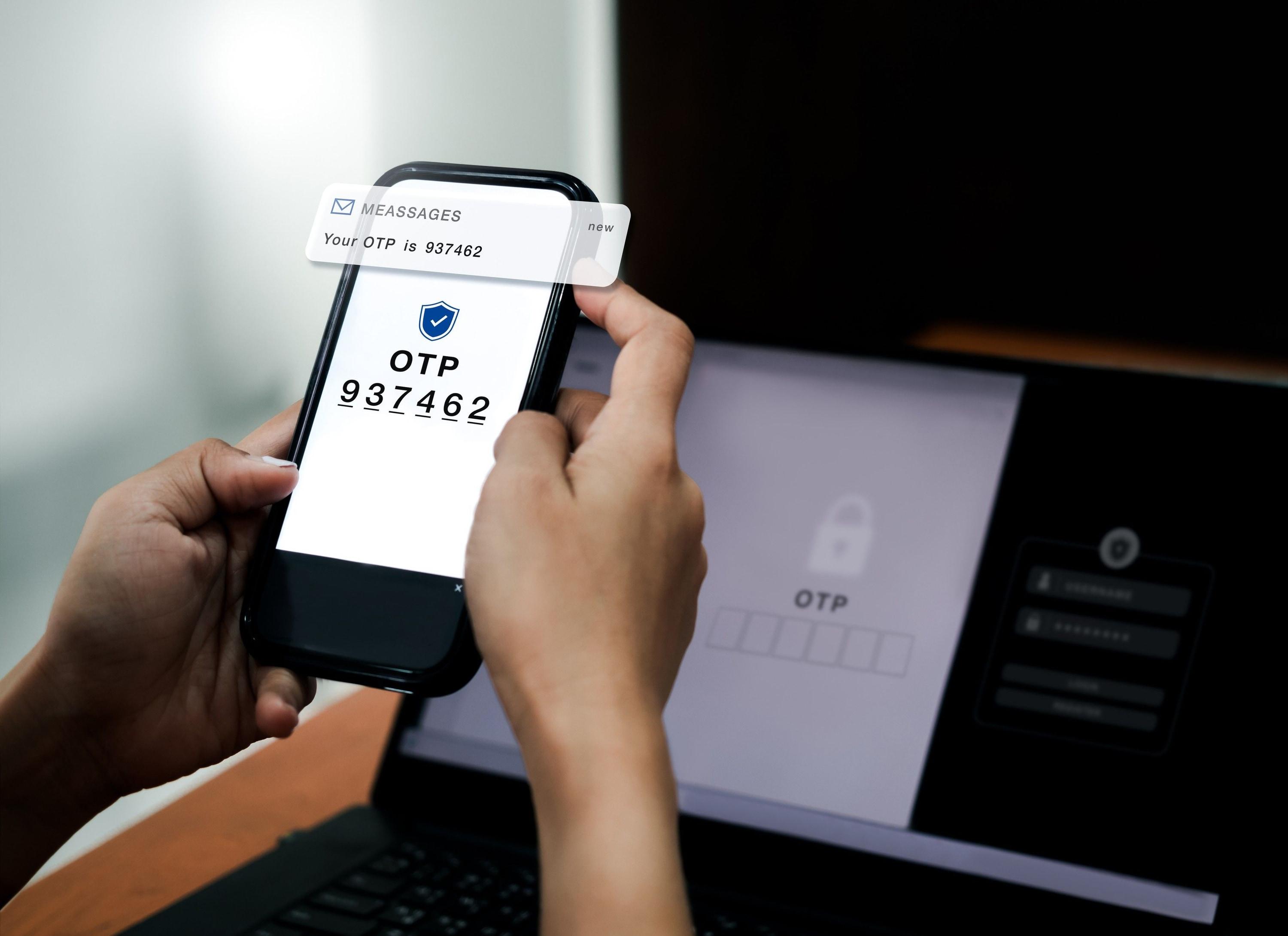
The Cybersecurity and Infrastructure Security Agency (CISA) boils everyday security down to four habits: strong passwords, multifactor authentication, recognising phishing, and updating software (CISA). Most of the protection a business needs starts there.
What gets secured
A cyber security audit comes first: accounts, email, devices, website and backups checked against those habits, with each gap ranked by the harm it could do.
| Area | What we do |
|---|---|
| Accounts | Two-step sign-in on email, banking, social and admin accounts, with a password manager |
| Email security and DMARC | SPF, DKIM and DMARC set, so mail claiming your domain is checked |
| Devices | Updates on, disks encrypted, antivirus active, lost devices wiped remotely |
| Website | Updates, a firewall, backups and the admin area locked down |
| Backups | Copies kept away from the office, tested by restoring them |
| Phishing training | Short training on spotting fake emails and messages |
A plan for the bad day
A one-page response plan says who to call, which accounts to lock, where the backups are and how to tell customers, so a hacked account or a lost laptop becomes a checklist.
Website security in particular continues through WordPress maintenance & fixes.
Included
- Security check of email, devices, accounts and website
- Two-step sign-in on every account
- Email domain secured against fake senders
- Antivirus and updates on every device
- Backups with a tested restore
- Password manager set up
- Training to spot fake emails
- A clear plan for when something goes wrong