






From notes to a deck
We turn notes into a deck with one idea per slide and numbers shown as charts, clear whether it is presented or read on its own. Pitches, sales decks, talks and reports each get their own structure, with a template for adding slides later.
One idea per slide
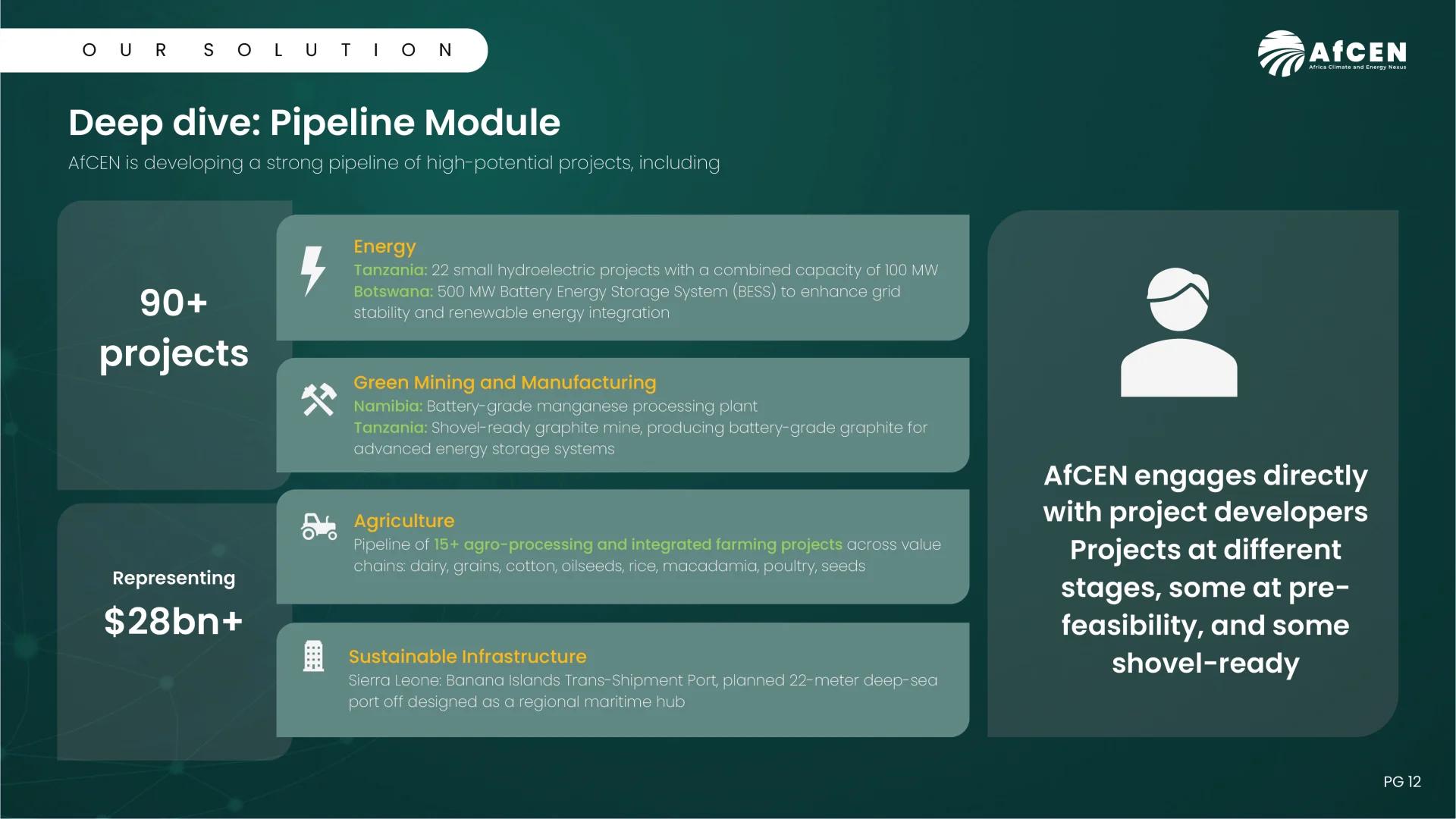
Pitch deck design starts from how a deck is read: at speed, by an audience while someone talks, or alone on a phone between meetings. One idea per slide, a headline that states it and the numbers drawn as a chart let each slide land in seconds.


Charts that make the point
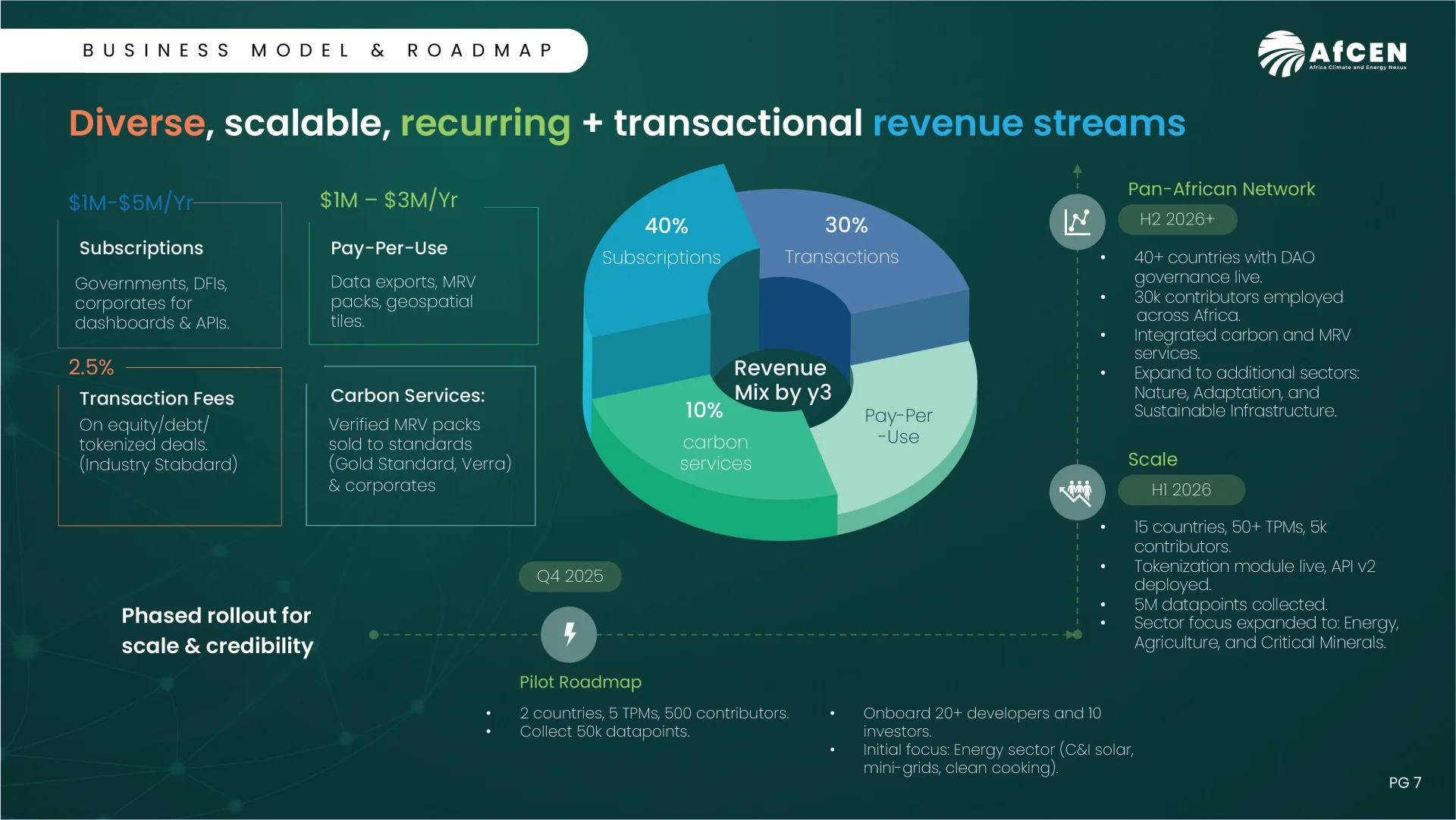
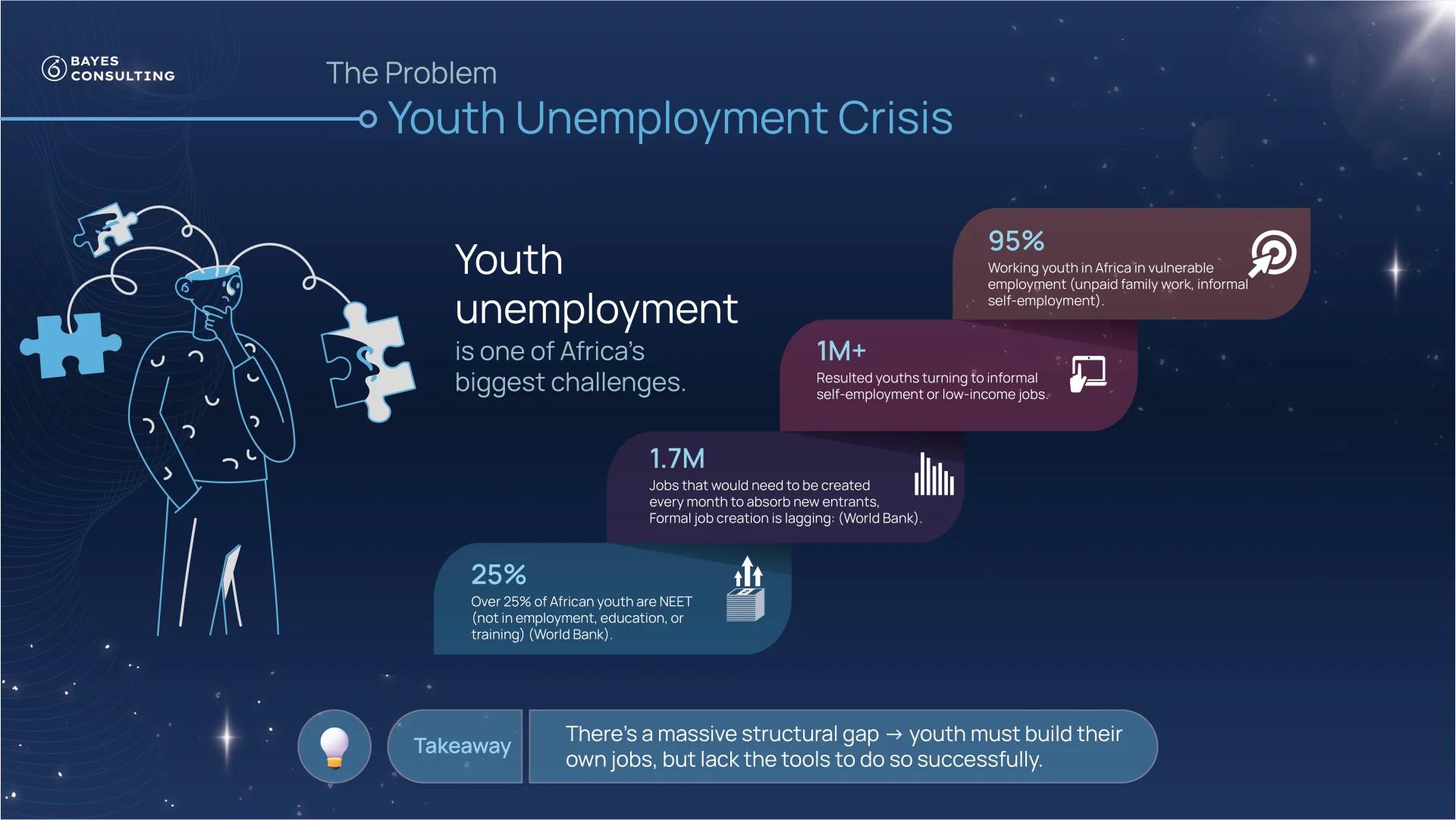
A chart on a slide carries one message: the growth, the gap or the share. We redraw every chart in the brand’s colours, label the bar or line that matters and keep the rest quiet, so the eye lands on the number the speaker is talking about.
A story in the order investors expect
A startup pitch deck follows a sequence that the guidance from Sequoia and Y Combinator shares:
- Purpose: the company in one line.
- Problem: the pain, with a number that proves it.
- Solution: what the product does about it.
- Why now: what changed to make this the moment.
- Market: how big the opportunity is, and who buys first.
- Traction: users, revenue or pilots so far.
- Business model: how the money comes in.
- Team: why these people win.
- The ask: how much, and what it buys.
Sales decks, talks and reports each take their own order, and the outline is agreed before any slide is designed.
Presented, or read alone
A deck on a stage carries few words and leaves the talking to the speaker; a deck sent ahead has to explain itself. Each one comes with speaker notes, a PDF that reads on its own and a slide template in PowerPoint, Keynote or Google Slides for adding slides later.



Company profiles and capability documents sit with Profiles & documents.
Included
- Story structure and slide outline
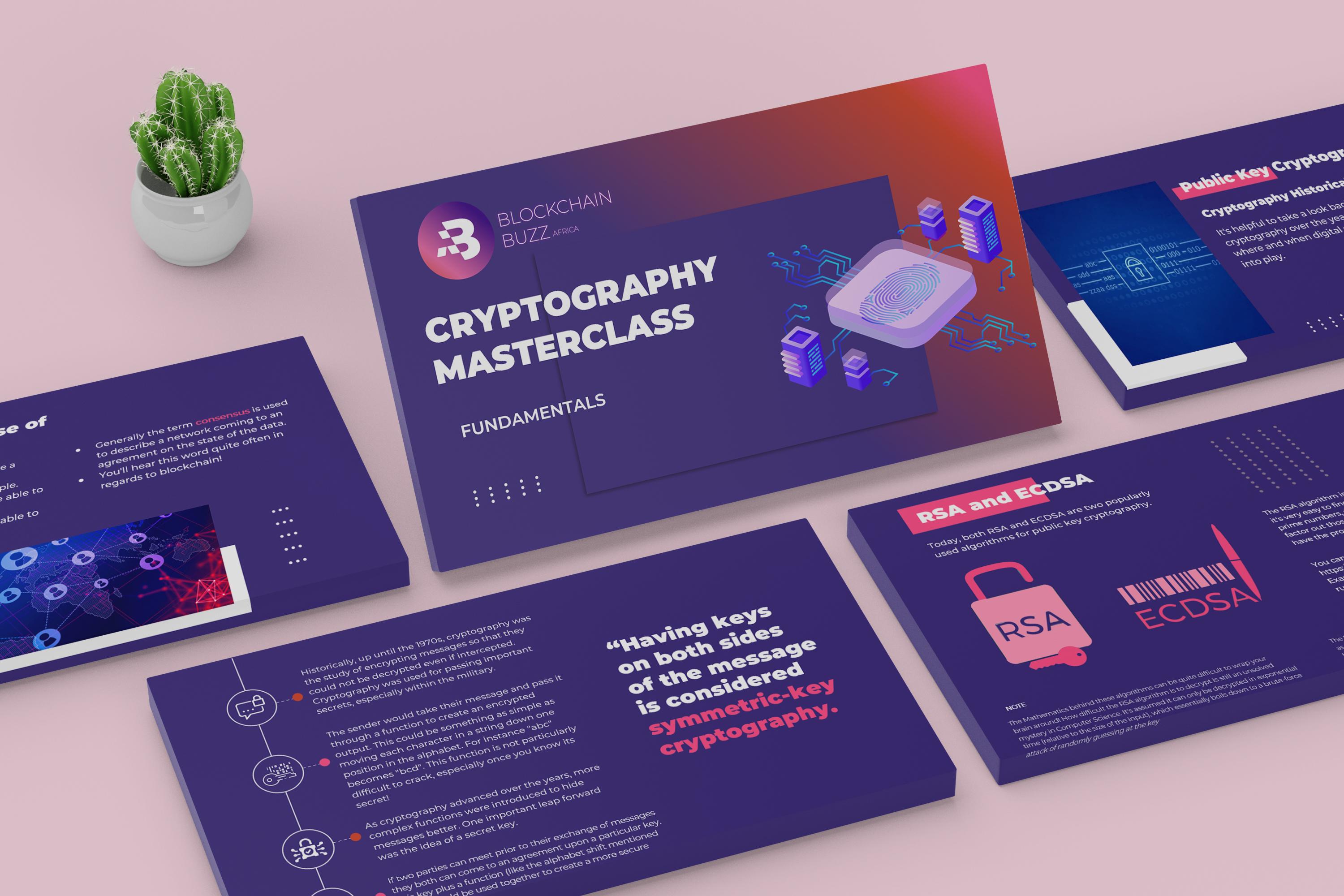
- Slide template
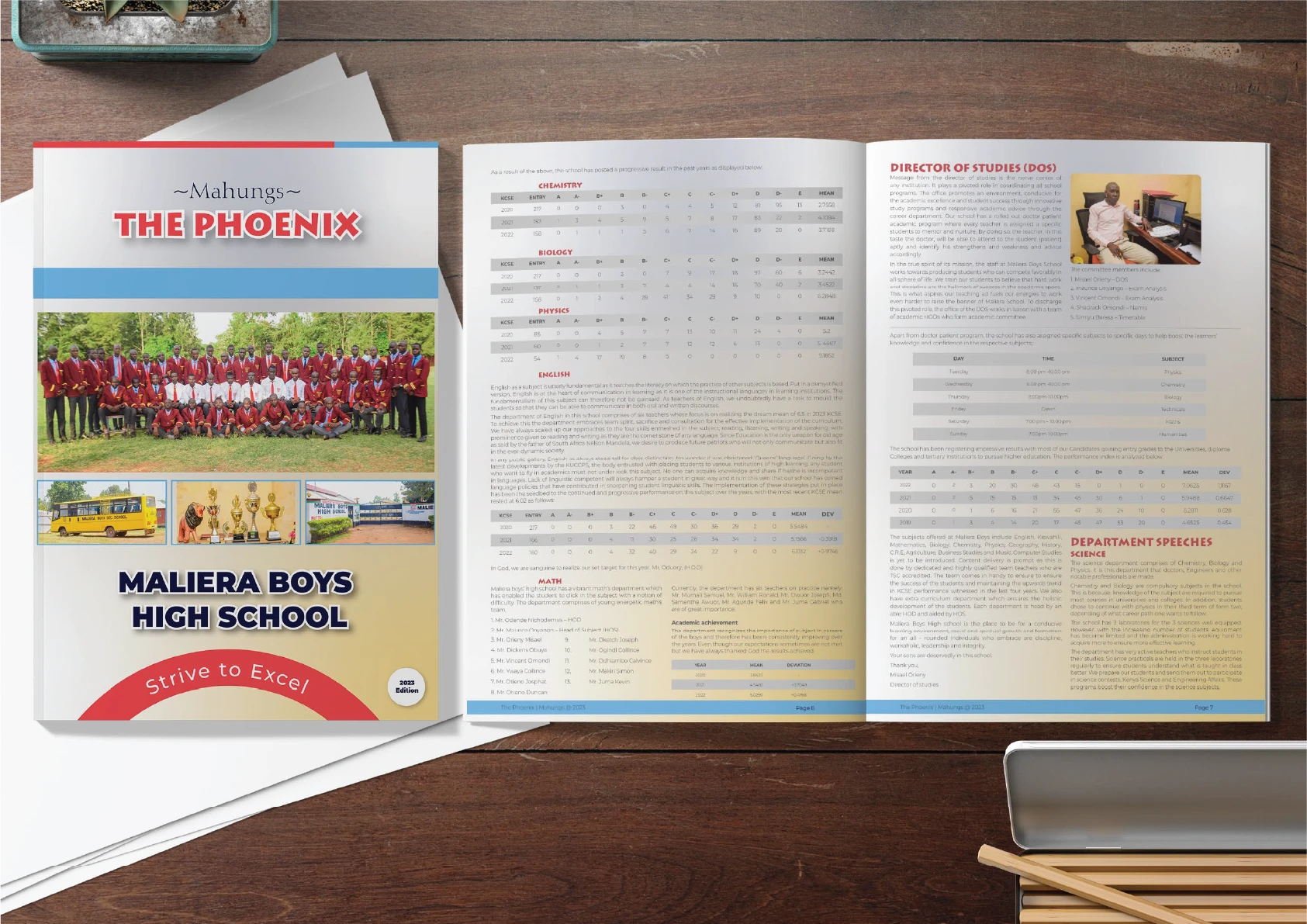
- Charts and tables redrawn
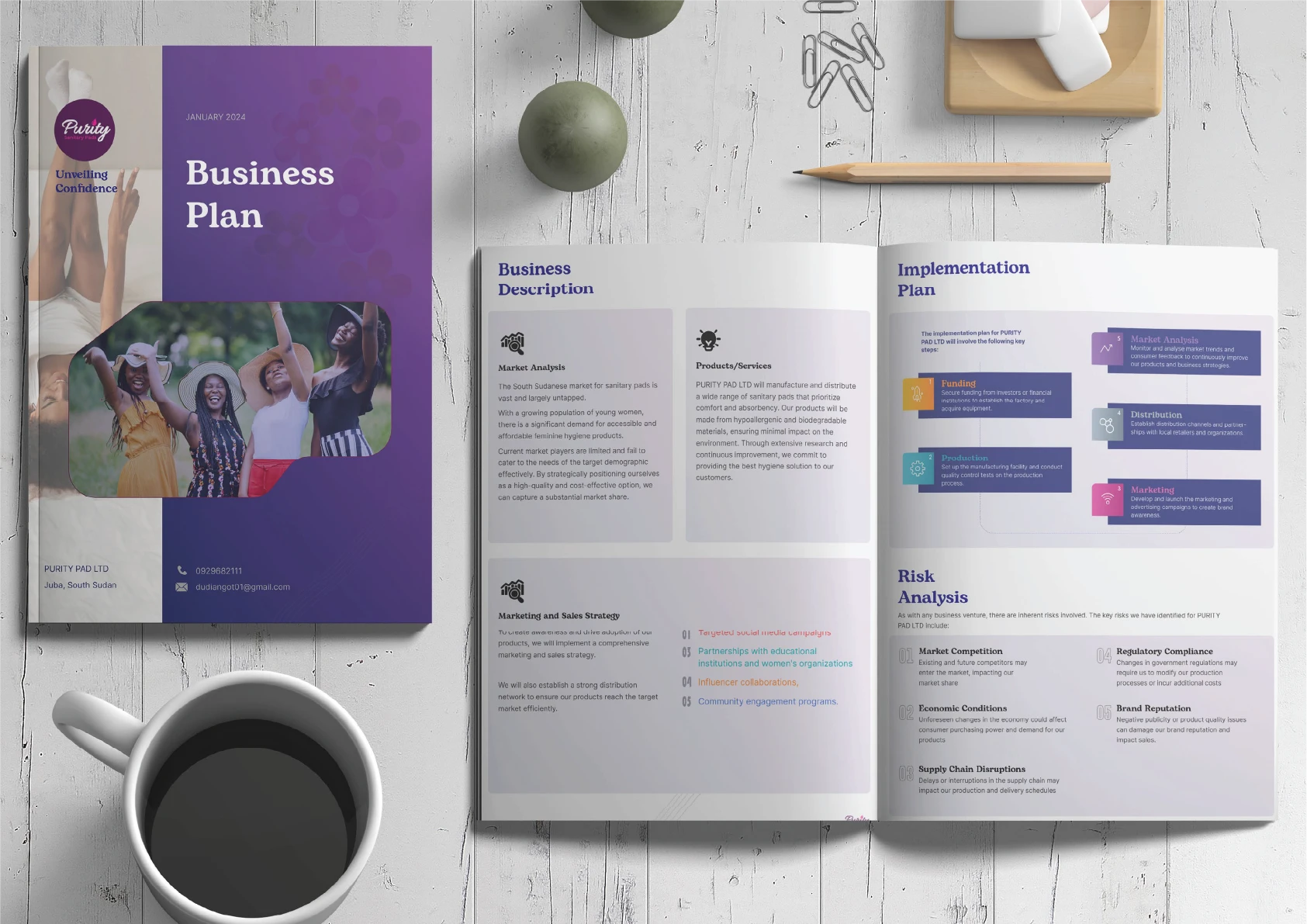
- Icons, photos and mockups
- Speaker notes and a PDF to share
- Editable file: PowerPoint, Keynote, Google Slides and more